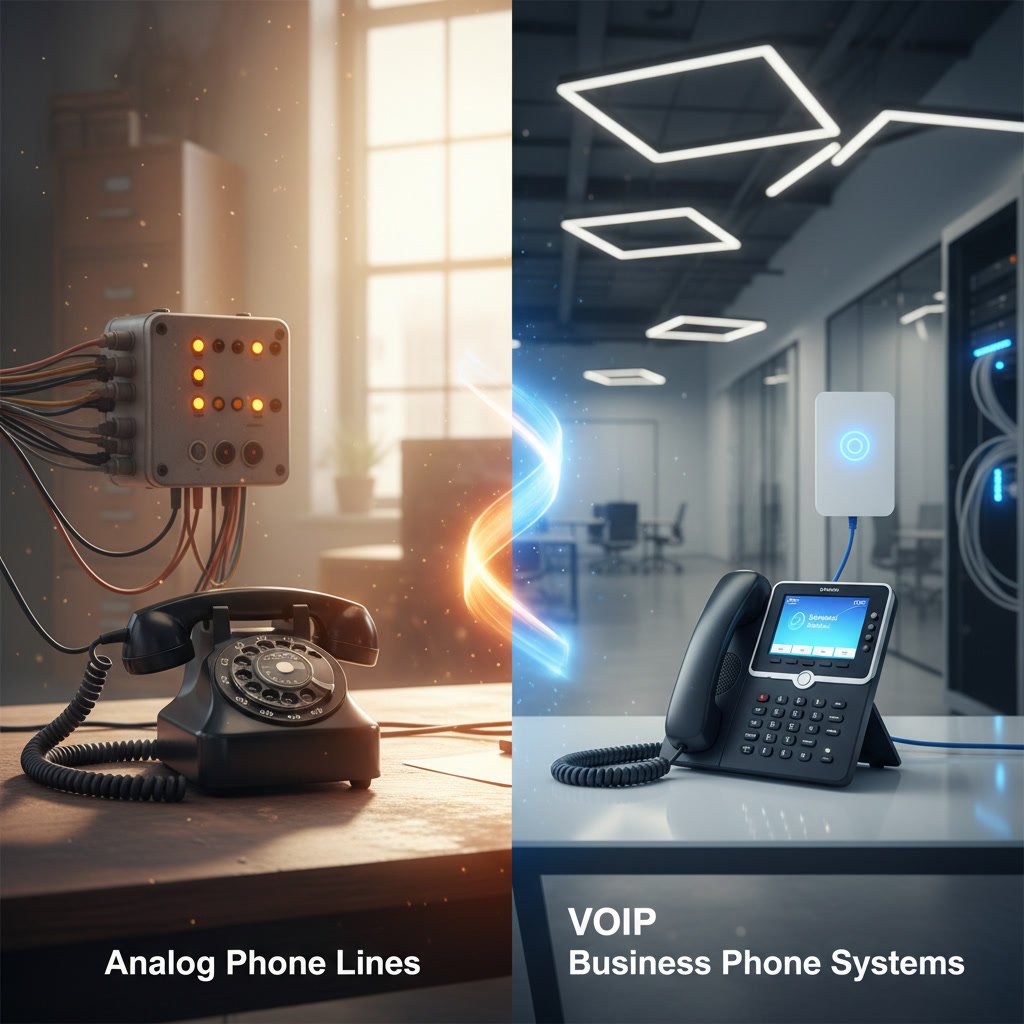
Modern phone systems use intelligent call routing and auto attendants to direct incoming calls efficiently, ensuring customers reach the right person without frustration or delay. Business phone call routing relies on predefined rules, caller input, and real-time data to distribute calls across departments, extensions, or remote workers. Auto attendants act as the virtual receptionist, greeting callers and presenting menu options that guide them to their destination.
These features transform how companies manage inbound communication, reducing wait times and improving first-call resolution. Understanding how these systems work helps you choose the right configuration for your organization and optimize customer interactions from the first ring.
Why Efficient Call Distribution Matters
Every missed or misdirected call represents a lost opportunity. Customers expect quick answers, and a confusing phone menu or long hold time damages trust. Efficient call routing solves this by creating clear pathways that match caller needs with available resources.
Businesses that implement structured routing see measurable improvements in customer satisfaction scores and employee productivity. Instead of tying up staff to manually transfer calls, automated systems handle the heavy lifting while employees focus on solving problems and closing sales.
What Auto Attendants Do
An auto attendant greets incoming callers with a recorded message and presents a menu of options. Callers press a number to reach sales, support, billing, or other departments. The system then routes the call based on that input, without requiring a live person to answer and transfer.
Auto attendants work around the clock, maintaining a professional image even outside business hours. Advanced versions can detect caller ID, check time of day, or route differently based on call volume. This flexibility makes them essential for small business phone systems and enterprise deployments alike.

How Call Routing Rules Work
Call routing uses conditional logic to direct calls. The system evaluates factors like the number dialed, time of day, caller ID, or menu selection, then applies rules you configure. Common routing strategies include skills-based routing, which sends technical support calls to trained technicians, and round-robin distribution, which evenly spreads calls across a team.
Time-based routing changes behavior depending on business hours. During working hours, calls go to live agents. After hours, the system can route to voicemail, an answering service, or a mobile device. Geographic routing sends calls from specific area codes to regional offices, ensuring local expertise handles local customers.
Queue Management and Overflow Handling
When all agents are busy, queuing systems hold callers in line and play hold music or informational messages. Advanced queues announce estimated wait times and offer callbacks, reducing abandonment rates. Overflow rules kick in when queues exceed a threshold, routing calls to backup teams or voicemail to prevent lost connections.
Priority routing can bump VIP callers to the front of the queue based on caller ID or account status. This ensures high-value customers receive immediate attention while maintaining orderly service for everyone else.
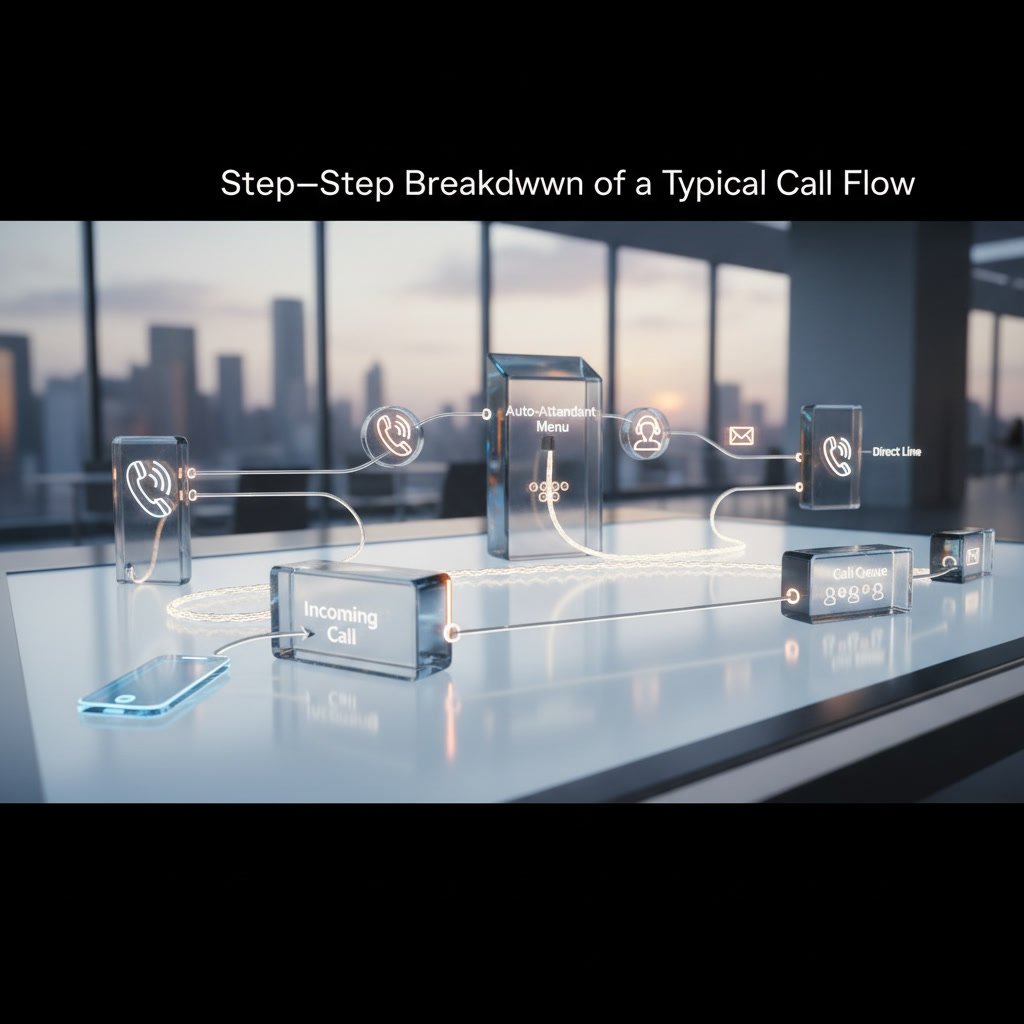
Step-by-Step Breakdown of a Typical Call Flow
Understanding the sequence helps you design better routing for your business. Here is how a typical inbound call moves through a business phone system:
- Caller dials your main business number.
- The auto attendant answers and plays a greeting message.
- Caller hears menu options and presses a selection.
- The system applies routing rules based on that input.
- If agents are available, the call connects immediately.
- If all agents are busy, the call enters a queue.
- The caller hears hold music and periodic status updates.
- When an agent becomes available, the call connects.
- If the caller reaches voicemail, the system records a message and sends notification.
Each step can be customized with different messages, routing targets, or fallback options. Modern systems let you adjust these flows without vendor support, giving you agility as your business changes.
Advanced Features in Greensboro Business Systems
Businesses in Greensboro and surrounding areas benefit from cloud-based systems that integrate advanced routing features. Interactive voice response (IVR) goes beyond simple menus, allowing callers to check account balances, schedule appointments, or retrieve order status using voice commands or keypad input.
Intelligent routing analyzes caller data in real time. If a customer has an open support ticket, the system routes them directly to the assigned agent. If they previously spoke with a specific salesperson, the call reconnects them automatically. This personalization improves outcomes and reduces repetition for customers.
Integration with AI and Real-Time Analytics
Modern routing systems integrate with AI quality management platforms that monitor call patterns and agent performance. AI can detect frustrated callers based on tone or repeated menu selections and escalate them to senior staff. Sentiment analysis provides supervisors with alerts when calls require intervention.
Real-time dashboards show call volume, average wait times, and agent availability. Managers use this data to adjust staffing, modify routing rules, or open additional queues during peak periods. AI agent and supervisor assist tools provide live coaching, suggesting responses or next steps while calls are in progress.
Mobile and Remote Worker Routing
Cloud-based routing extends beyond desk phones. Calls can route to mobile devices, softphones on laptops, or remote office locations without callers knowing the difference. This flexibility supports hybrid work models and ensures coverage even when employees are off-site.
Find-me-follow-me features ring multiple devices in sequence or simultaneously until someone answers. If your desk phone goes unanswered for 15 seconds, the system tries your mobile. If that fails, it moves to voicemail or a backup colleague. This persistence reduces missed calls and maintains service levels regardless of employee location.
Customizing Greetings and Hold Messages
Professional greetings set the tone for every interaction. Recording high-quality audio with clear pronunciation and appropriate pacing makes your business sound polished and trustworthy. Greetings should state your company name, confirm the caller reached the right number, and briefly explain menu options.
Hold messages serve multiple purposes. They reassure callers they are still connected, provide useful information like hours or website addresses, and can promote products or upcoming events. Updating hold content regularly keeps it fresh and relevant, turning wait time into a subtle marketing opportunity.
Common Mistakes to Avoid
Overly complex menus frustrate callers. Limiting options to five or fewer keeps navigation simple. Deeply nested submenus force callers to listen through multiple layers before reaching a person, increasing abandonment rates. If your menu requires more than two levels, consider redesigning your call flow.
Failing to test changes before going live leads to broken routing and angry customers. Every time you modify a rule or record a new greeting, call your own number and verify the experience matches expectations. Understanding how business phone systems work helps you anticipate problems before they affect customers.
Choosing the Right System for Your Needs
The best routing configuration depends on call volume, team size, and customer expectations. Startups with a handful of employees may only need basic auto attendant and voicemail. Mid-sized companies benefit from skills-based routing and queue management. Enterprise organizations require advanced analytics, CRM integration, and multi-site coordination.
Triad Unified Communications, LLC designs cloud-based phone systems that scale with your business. Whether you operate from a single location or coordinate teams across multiple states, modern VoIP platforms deliver the flexibility and reliability you need. Evaluating signs you need a new phone system helps you recognize when current infrastructure no longer meets your requirements.
Building a Better Caller Experience
Well-designed routing and auto attendants improve every customer interaction. Callers spend less time navigating menus, reach knowledgeable staff faster, and enjoy consistent service regardless of when they call. These improvements translate directly into higher satisfaction, better reviews, and increased loyalty.
Investing in the right phone system pays dividends through reduced operational costs and improved employee efficiency. Automated routing eliminates manual transfers, freeing staff to focus on meaningful work. Analytics reveal bottlenecks and opportunities for process improvement, giving you data-driven insights into customer behavior.
Triad Unified Communications, LLC provides reliable, secure, and scalable VoIP solutions for businesses across the United States. Our team helps you design call flows that match your unique needs and support modern work environments. Contact us at (888) 992-0044 to explore how advanced routing and auto attendant features can transform your customer communication.