
AI quality management analyzes every customer call automatically, scoring conversations for compliance, sentiment, and performance without requiring supervisors to manually review recordings. These systems use natural language processing to detect keywords, measure talk patterns, and flag calls that need attention, transforming weeks of manual quality assurance into real-time insights. Instead of sampling 2-3% of calls, businesses can now evaluate 100% of interactions and deliver targeted coaching based on objective data.
The Traditional Quality Assurance Challenge
Contact centers and sales teams have always struggled with quality monitoring. Supervisors traditionally listen to a tiny fraction of recorded calls, maybe 5-10 per agent per month, and score them using paper forms or spreadsheets. This sampling approach misses the vast majority of customer interactions and introduces bias based on which calls happen to get reviewed.
Manual scoring also creates delays. By the time a supervisor reviews last week’s calls and schedules a coaching session, the agent has already handled hundreds more conversations the same way. Problems compound while feedback waits in the queue.
What AI Brings to Call Quality Monitoring
Modern AI Quality Management systems transcribe every call in real time and apply scoring rules instantly. The technology identifies specific phrases, measures silence duration, detects interruptions, and evaluates whether agents follow required scripts or compliance statements.
These platforms flag calls where customers express frustration, where agents fail to offer required disclosures, or where conversations deviate from best practices. Supervisors receive alerts about problematic interactions within minutes instead of discovering issues days later during random sampling.

How the Technology Actually Works
Speech recognition engines convert audio into text transcripts as calls happen. Natural language processing algorithms then scan those transcripts for predetermined criteria: Did the agent verify the caller’s identity? Did they mention the promotion? Did the customer use words associated with anger or confusion?
The system assigns numerical scores based on how many criteria each call meets. A call might score 85/100 because the agent greeted the customer properly, confirmed account details, and resolved the issue, but failed to ask for feedback at the end. These scores populate dashboards where managers can sort by performance, filter by team, or drill into specific problem areas.
Advanced platforms also measure acoustic features like talk-to-listen ratios, speaking pace, and hold times. If an agent talks for 90% of a call without letting the customer respond, the system flags that behavior even if the words themselves seem appropriate.
Automated Coaching and Performance Insights
Rather than waiting for quarterly reviews, agents receive performance feedback continuously. Some systems generate automated coaching tips: “You interrupted customers four times this week, try pausing two seconds after they finish speaking.” Others compile highlight reels of an agent’s best and worst moments for one-on-one review sessions.
Supervisors can compare individual performance against team averages, identify training gaps across entire departments, and track improvement over time. If every agent struggles with a particular product question, that signals a knowledge base problem rather than individual performance issues.
The AI Agent and Supervisor Assist tools can even provide real-time guidance during live calls, suggesting responses or flagging compliance risks before the conversation ends.
Integration with Business Phone Systems in Greensboro
Quality management AI connects directly to cloud-based phone platforms, pulling call recordings and metadata automatically. When integrated with a modern Business Phone System, the entire workflow becomes seamless, from call routing to recording to analysis.
Businesses in Greensboro and surrounding regions benefit from unified platforms that combine calling, recording, transcription, and quality scoring in a single interface. There’s no need to export files, manually upload recordings, or reconcile data across separate systems.

Five Key Metrics AI Quality Systems Track
Understanding which measurements matter helps you configure scoring rules that align with business goals. Here are the metrics most systems prioritize:
- Compliance adherence: Percentage of calls where required disclosures, identity verification, or regulatory statements occur
- First-call resolution: Whether customer issues get solved without transfers or callbacks, detected through transcript analysis and follow-up call patterns
- Customer sentiment: Tone analysis and keyword detection identifying frustration, satisfaction, or confusion
- Script adherence: How closely agents follow approved talk tracks for greetings, transitions, and closings
- Average handle time vs. quality: Correlation between call duration and satisfaction, identifying agents who rush through calls or over-explain
Each metric can trigger specific alerts or coaching workflows. A sudden drop in compliance might require immediate intervention, while gradual sentiment decline could indicate product issues or seasonal stress.
Real-Time Alerts and Intervention
The most powerful quality systems don’t just score calls after they end. They monitor conversations as they happen and alert supervisors when help is needed. If a customer threatens to cancel, uses profanity, or mentions a competitor, the system can notify a manager to join the call or prepare a retention offer.
This capability proves especially valuable for Small Business teams where one bad interaction can permanently damage a customer relationship. Real-time intervention turns potential disasters into opportunities for recovery.
Some platforms even pause calls automatically when specific trigger words appear, giving agents a moment to collect themselves or reference a knowledge article before continuing.
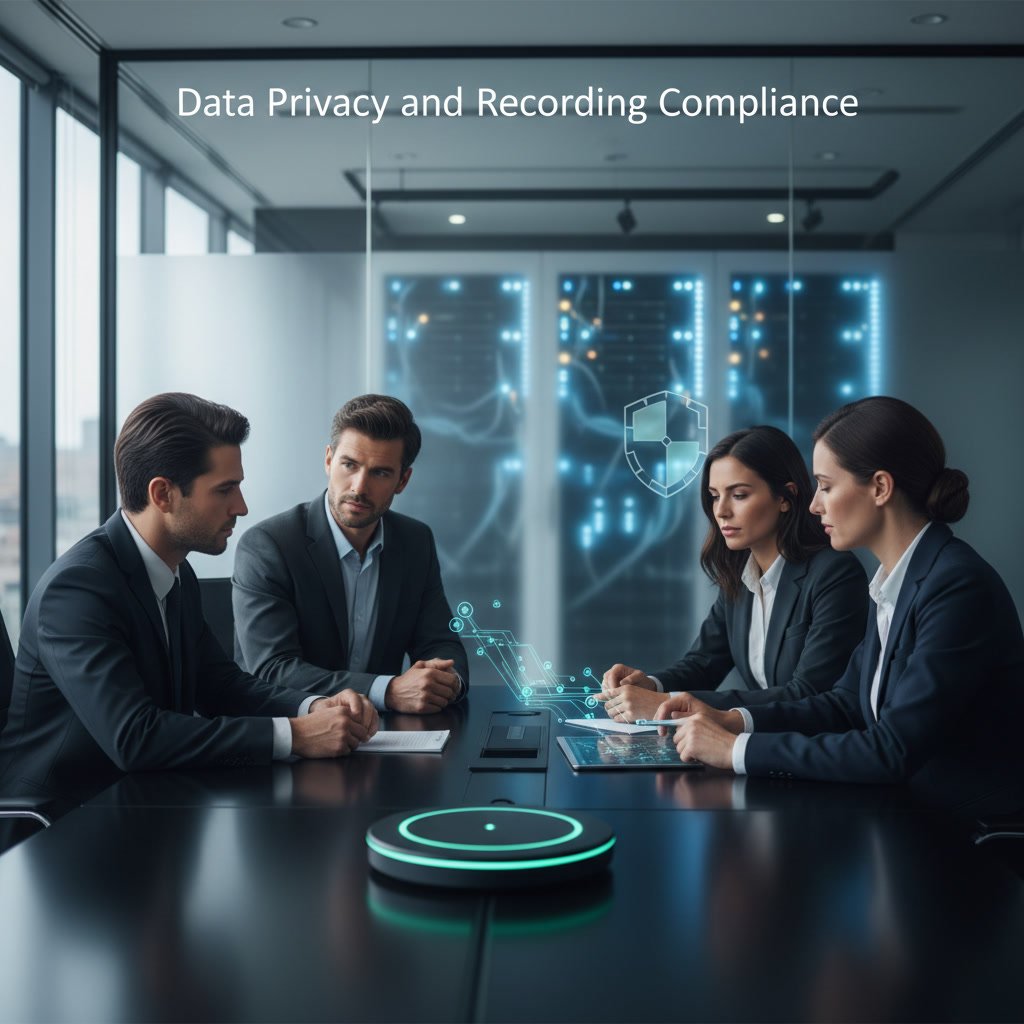
Data Privacy and Recording Compliance
Recording and analyzing calls raises legal questions. Different states have different consent requirements, some need one-party consent while others require all parties to agree. Quality management platforms typically include consent workflows, playing disclosure messages before recording begins and documenting acceptance.
AI transcription happens in secure cloud environments with encryption in transit and at rest. Access controls ensure only authorized personnel can review sensitive call data. Retention policies automatically delete recordings after compliance windows expire, reducing storage costs and liability exposure.
Businesses should consult legal counsel about their specific recording obligations, but modern systems make technical compliance straightforward once policies are established.
Scaling Quality Across Teams and Locations
Manual quality assurance doesn’t scale well. Adding more agents requires adding more supervisors to maintain review coverage. AI-based systems handle 10 agents or 1,000 with the same efficiency, making consistent quality monitoring accessible to growing organizations.
Multi-location businesses benefit from standardized scoring across offices. A sales team in Richmond gets evaluated using the same criteria as teams in other markets, eliminating regional inconsistencies and ensuring fair performance comparisons.
The technology also supports multilingual analysis, scoring calls in Spanish, French, or other languages using the same framework as English conversations. This capability proves critical for businesses serving diverse customer bases.
Choosing the Right System for Your Business
Not all quality management platforms offer the same features. Some focus purely on compliance and keyword spotting, while others provide sophisticated sentiment analysis and predictive coaching. Consider your team size, call volume, and primary objectives when evaluating options.
Integration matters as much as features. Systems that connect natively to your existing phone platform work better than standalone tools requiring manual data transfer. Look for vendors that support your specific communications infrastructure, whether that’s a traditional PBX or a modern cloud solution.
Triad Unified Communications, LLC helps businesses match quality management capabilities to operational needs, ensuring you invest in tools that solve actual problems rather than adding complexity.
Moving Beyond Call Sampling to Complete Visibility
The shift from sampling a few calls per agent to analyzing every conversation represents a fundamental change in how businesses understand customer interactions. Patterns invisible in small samples become obvious when examining thousands of calls. Coaching becomes specific rather than general. Compliance becomes verifiable rather than assumed.
This complete visibility also reveals positive examples worth replicating. When the AI identifies a call where an agent perfectly handled an angry customer, that recording becomes training material for the entire team. Best practices spread faster when systems automatically surface them.
Organizations implementing comprehensive quality monitoring typically see measurable improvements within 60-90 days. First-call resolution rates climb, average handle times stabilize, and customer satisfaction scores trend upward as coaching becomes data-driven and continuous.
Modern phone systems equipped with intelligent quality monitoring give businesses objective insight into every customer conversation. The technology eliminates guesswork from performance management, ensures consistent service delivery, and protects against compliance risks that manual processes often miss. Teams spend less time on administrative review and more time on meaningful coaching that actually changes outcomes.
Triad Unified Communications, LLC designs quality management solutions that integrate seamlessly with your communications platform. Whether you need basic compliance tracking or advanced sentiment analysis, our team can configure systems that match your workflow and scale with your growth. Call (888) 992-0044 to discuss how AI-powered quality monitoring can improve your team’s performance and customer experience.